Crafting Sustainable Interior Design: A Modern Approach
Step into a world where sustainable interior design reigns supreme. This introduction beckons you with intriguing insights and a fresh perspective on how eco-conscious choices can transform living spaces.
Exploring the use of sustainable materials, energy efficiency, indoor air quality, waste reduction, and biophilic design, this topic delves into the key elements that shape sustainable interior design practices today.
Sustainable Materials
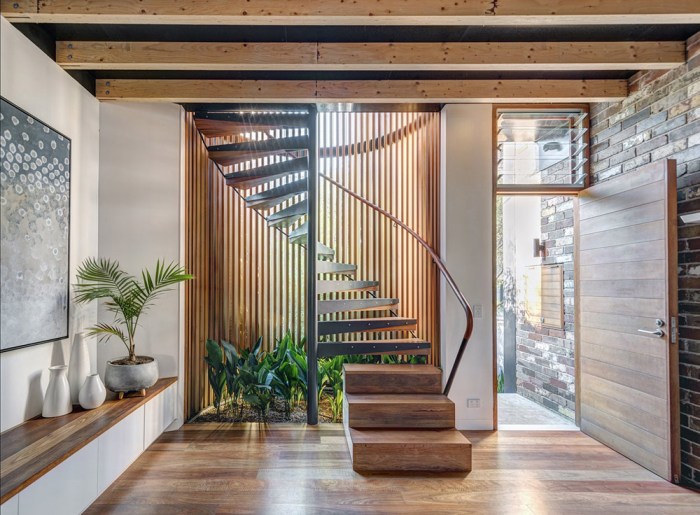
Using sustainable materials in interior design is crucial for reducing the environmental impact of construction and renovation projects. These materials are sourced responsibly, often recycled or renewable, and have a lower carbon footprint compared to traditional materials.
Examples of Eco-Friendly Materials
- Bamboo: A fast-growing, renewable resource that can be used for flooring, furniture, and decor.
- Recycled Glass: Used for countertops, tiles, and decorative elements, reducing the need for new raw materials.
- Cork: Harvested from the bark of cork oak trees without harming the tree, used for flooring and insulation.
- Reclaimed Wood: Salvaged from old buildings or furniture, giving new life to materials that would otherwise go to waste.
Comparison of Environmental Impact
When comparing sustainable materials to traditional ones, the benefits are clear. Sustainable materials help conserve natural resources, reduce waste in landfills, and lower greenhouse gas emissions. They also promote healthier indoor air quality by minimizing exposure to harmful chemicals commonly found in conventional materials.
In contrast, traditional materials often require extensive mining, logging, and manufacturing processes that contribute to pollution and habitat destruction.
Energy Efficiency
Energy-efficient design plays a crucial role in sustainable interior design by reducing energy consumption, minimizing environmental impact, and lowering utility costs. By incorporating energy-efficient practices and technologies, interior spaces can be more environmentally friendly and comfortable for occupants.
Maximizing Energy Efficiency
When designing interior spaces for sustainability, there are several techniques that can be employed to maximize energy efficiency:
- Utilizing natural light through strategically placed windows and skylights to reduce the need for artificial lighting.
- Installing energy-efficient lighting fixtures such as LED bulbs and sensors to control lighting based on occupancy and natural light levels.
- Properly insulating walls, floors, and ceilings to reduce heat loss or gain, improving overall energy efficiency.
- Using energy-efficient appliances and systems such as ENERGY STAR-rated appliances, efficient HVAC systems, and smart thermostats to minimize energy consumption.
- Implementing passive design strategies like shading devices, thermal mass, and natural ventilation to reduce the need for heating and cooling.
Energy-Efficient Appliances and Systems
Commonly incorporated energy-efficient appliances and systems in sustainable interior designs include:
- ENERGY STAR-rated appliances for kitchens and laundry rooms, which use less energy and water compared to standard models.
- High-efficiency HVAC systems that optimize heating and cooling performance while reducing energy usage.
- Solar panels and renewable energy systems to generate electricity on-site and reduce reliance on traditional power sources.
- Smart home technology like programmable thermostats, lighting controls, and energy monitoring systems to track and manage energy usage efficiently.
Indoor Air Quality
Indoor air quality is a crucial aspect of sustainable interior design as it directly impacts the health and well-being of occupants. Poor indoor air quality can lead to a range of health issues, including respiratory problems, allergies, and headaches. By focusing on improving indoor air quality, designers can create healthier and more sustainable indoor environments.
Methods for Improving Indoor Air Quality
- Choose low VOC (volatile organic compound) paints and finishes to reduce harmful emissions.
- Use natural and eco-friendly materials such as bamboo, cork, or reclaimed wood to minimize off-gassing.
- Incorporate adequate ventilation systems to ensure proper air circulation and reduce indoor pollutants.
- Integrate air purifying plants like spider plants, peace lilies, or aloe vera to naturally filter the air.
- Consider installing air purifiers with HEPA filters to remove allergens and pollutants from the air.
Impact of Plants and Natural Ventilation
Natural ventilation plays a significant role in maintaining good indoor air quality by helping to remove stale air and bring in fresh outdoor air. Plants, on the other hand, not only add a touch of greenery to the space but also act as natural air purifiers by absorbing toxins and releasing oxygen.
Together, plants and natural ventilation can greatly improve the overall air quality in a sustainable interior design setting.
Waste Reduction and Recycling
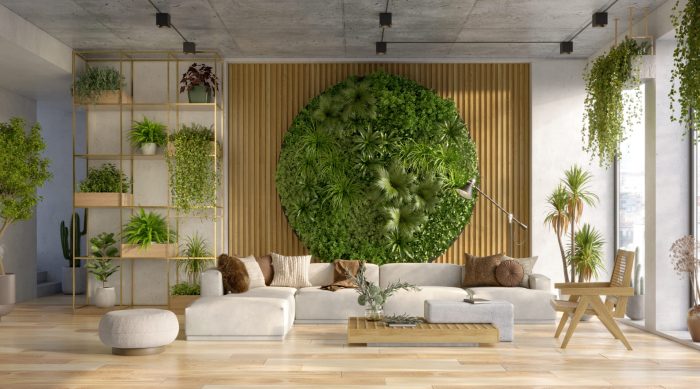
Reducing waste and recycling materials are crucial aspects of sustainable interior design practices. By implementing strategies to minimize waste and repurpose materials, designers can contribute to a more environmentally friendly approach to their projects.
Upcycling and Repurposing Materials
One effective way to reduce waste in interior design is through upcycling and repurposing materials. This involves taking old or discarded items and transforming them into new, functional pieces for the space. For example, old wooden pallets can be repurposed into furniture such as tables or shelves, while glass bottles can be upcycled into decorative lighting fixtures.
By giving new life to existing materials, designers can minimize the need for new resources and reduce landfill waste.
Benefits of Recycling Program
Incorporating a recycling program into interior design practices offers numerous benefits. Not only does it help divert materials from landfills, but it also reduces the demand for new resources and lowers the environmental impact of the project. By segregating waste materials and ensuring they are properly recycled or reused, designers can promote a circular economy within their projects.
This not only benefits the environment but also helps create a more sustainable and responsible design approach.
Biophilic Design
Biophilic design is an innovative approach that seeks to incorporate elements of nature into interior spaces, promoting a connection to the natural environment. This design concept not only enhances the aesthetics of a space but also contributes to the well-being of occupants.
Integrating Nature into Interior Spaces
There are several ways to integrate nature into interior spaces to enhance well-being:
- Use of natural materials such as wood, stone, and plants to bring the outdoors inside.
- Incorporation of natural light through large windows, skylights, and light wells.
- Creation of indoor gardens or living walls to introduce greenery and improve air quality.
- Utilization of nature-inspired colors and patterns to evoke a sense of calm and tranquility.
Benefits of Biophilic Design Elements
Biophilic design elements offer numerous psychological and physiological benefits to occupants:
- Stress Reduction:Exposure to nature has been shown to reduce stress levels and promote relaxation.
- Improved Air Quality:Plants help to filter and purify indoor air, leading to better respiratory health.
- Enhanced Creativity:Natural elements can stimulate creativity and boost productivity in indoor environments.
- Increased Productivity:Biophilic design has been linked to improved focus and concentration, resulting in higher work efficiency.
Last Point
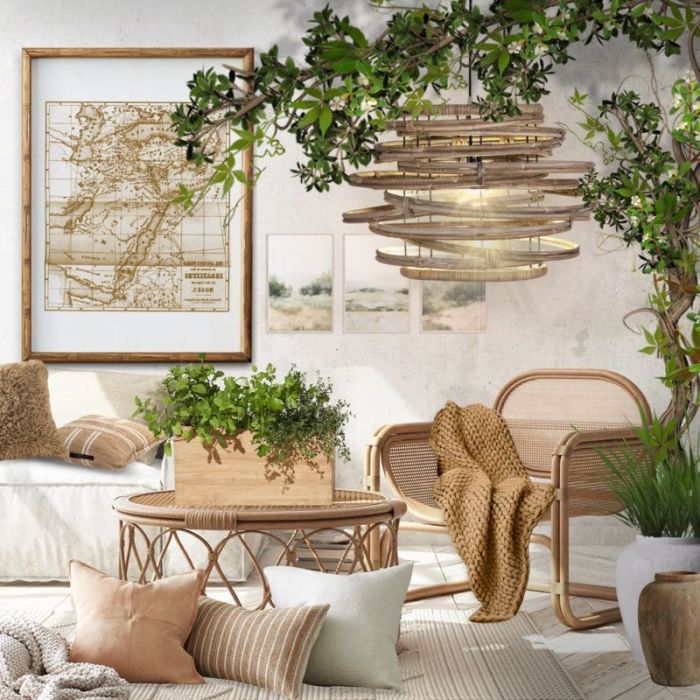
In conclusion, sustainable interior design offers a harmonious blend of aesthetics and environmental responsibility. By embracing eco-friendly materials, energy-efficient solutions, and biophilic design principles, we can create spaces that not only look beautiful but also contribute positively to our planet.
Question & Answer Hub
How important are sustainable materials in interior design?
Sustainable materials play a crucial role in reducing the environmental impact of interior design projects and promoting a healthier living environment.
What are some examples of eco-friendly materials used in sustainable interior design?
Common eco-friendly materials include bamboo, reclaimed wood, recycled glass, and low VOC paints.
How does energy-efficient design contribute to sustainable interior design?
Energy-efficient design helps minimize energy consumption, reduce utility costs, and lower carbon footprint in interior spaces.
What methods can improve indoor air quality in sustainable interior design?
Methods like proper ventilation, air purifiers, and using non-toxic materials can enhance indoor air quality in sustainable designs.
Why is biophilic design important in sustainable interior design?
Biophilic design connects people with nature, improves well-being, and enhances productivity in indoor spaces.