Exploring Retro Interior Design: A Nostalgic Journey into Vintage Vibes
Step back in time with retro interior design, a style that combines the best of old-school charm with a modern twist. From funky colors to iconic furniture pieces, this design trend is all about adding a touch of nostalgia to your living space.
Get ready to dive into the world of retro design and discover how you can bring the past into the present with flair and creativity.
As we delve deeper, we'll explore the key characteristics, color palettes, furniture choices, layout tips, and budget-friendly ideas that make retro interior design a timeless favorite for those seeking a unique and stylish home aesthetic.
Overview of Retro Interior Design
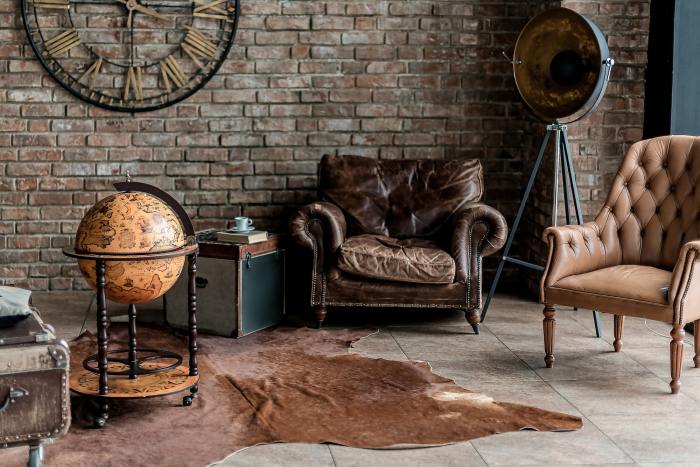
Retro interior design refers to a style that draws inspiration from the past, particularly the mid-20th century. It is characterized by bold colors, geometric shapes, and a sense of nostalgia for a bygone era.
History and Evolution of Retro Interior Design
Retro interior design first gained popularity in the 1950s and 1960s, as post-war optimism and economic growth led to a desire for modern and vibrant aesthetics. This design style continued to evolve through the 1970s and 1980s, with influences from various decades blending together to create a unique look.
Key Characteristics of Retro Interior Design
- Bold Patterns: Retro interior design often features bold, eye-catching patterns such as floral prints, stripes, and polka dots.
- Bright Colors: Vibrant hues like avocado green, mustard yellow, and burnt orange are commonly used in retro interiors to add a pop of color.
- Geometric Shapes: Retro design embraces geometric shapes like circles, squares, and triangles, creating a visually striking and dynamic space.
- Mix of Materials: From chrome and plastic to wood and velvet, retro interior design combines a variety of materials to add texture and interest to the space.
Color Palette and Materials
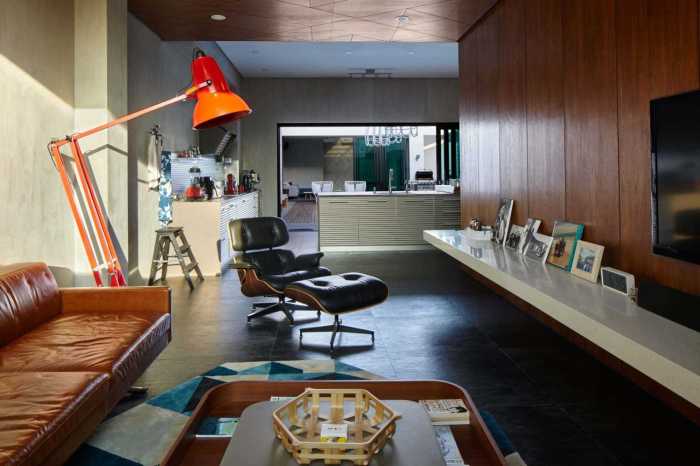
In retro interior design, the color palette often includes bold and lively hues that were popular in the mid-20th century. Shades like avocado green, mustard yellow, and burnt orange are commonly used to create a vibrant and nostalgic feel.
Materials in Retro Interiors
When it comes to materials, retro interiors often feature a mix of vinyl, plastic, and Formica. These materials were widely used during the retro era and contribute to the unique aesthetic of this design style.
Furniture and Decor
When it comes to achieving a retro interior design, furniture and decor play a crucial role in setting the nostalgic tone and bringing the past era back to life. Iconic retro furniture pieces such as Eames chairs, tulip tables, and bubble lamps are essential elements that define the retro style and add a touch of vintage charm to any space.
Iconic Retro Furniture Pieces
- Eames Chairs: These mid-century modern chairs designed by Charles and Ray Eames are known for their sleek, curved design and use of molded plywood. They add a touch of sophistication and style to any retro-inspired interior.
- Tulip Tables: Designed by Eero Saarinen, these tables feature a distinct single pedestal base and a round or oval tabletop. They bring a sense of elegance and modernity to retro spaces.
- Bubble Lamps: Created by George Nelson, these iconic lamps feature a unique spherical shape with a delicate, airy design that adds a playful and futuristic element to retro interiors.
Incorporating Retro Furniture into Modern Interiors
One of the key aspects of achieving a successful retro interior design is blending vintage furniture pieces with modern elements. This creates a harmonious balance between the past and present, adding a nostalgic touch to contemporary spaces. Mix and match retro furniture items with minimalist or industrial pieces to create a unique and eclectic look that pays homage to the retro era.
Importance of Decor Items
- Shag Rugs: These plush, textured rugs were popular in the 1960s and 1970s, adding warmth and coziness to retro interiors. They can instantly transform a space and create a retro vibe.
- Lava Lamps: A quintessential retro decor item, lava lamps are mesmerizing and colorful additions that evoke a sense of nostalgia and whimsy. They provide ambient lighting and a fun retro touch to any room.
- Vintage Posters: Adding vintage posters featuring iconic movies, music bands, or advertisements can instantly transport your space back in time. They serve as eye-catching decor pieces that reflect the style and culture of the retro era.
Layout and Design Tips
When it comes to creating a retro-inspired space, the layout and design play a crucial role in capturing the essence of the era. Here are some tips to help you achieve a functional and stylish retro interior:
Statement Pieces and Focal Points
Incorporating statement pieces and focal points is key to enhancing the retro vibe in your space. Opt for bold and eye-catching furniture or decor items that reflect the style of the era. Whether it's a vintage sofa, a funky lamp, or a retro-inspired wallpaper, these elements can instantly elevate the retro aesthetic of the room.
Lighting Atmosphere
Lighting is another essential element in setting the mood for a retro interior. Consider using warm, soft lighting to create a cozy and inviting atmosphere reminiscent of the 60s or 70s. Vintage-inspired light fixtures, such as sputnik chandeliers or globe pendants, can add a touch of retro charm to the space.
Don't forget to incorporate dimmer switches to adjust the lighting intensity and create different moods throughout the day.
DIY Projects and Budget-Friendly Ideas
Adding retro elements to a space doesn't have to break the bank. Here are some budget-friendly ideas and DIY projects to help you achieve that retro look you desire.
DIY Reupholstering Vintage Furniture
If you have old furniture pieces that could use a refresh, consider reupholstering them with retro-inspired fabrics. Look for bold colors and funky patterns that scream retro style. This project can instantly transform a piece and give it a whole new life.
Creating a Gallery Wall with Retro Art Prints
Gallery walls are a great way to showcase your personality and style. Mix and match retro art prints with vintage frames for a curated look. You can find affordable prints online or even create your own by scanning vintage magazines or books.
Thrift Store Finds and Upcycling
Thrift stores are treasure troves for finding retro decor pieces. Look for items like mid-century modern lamps, funky vases, or kitschy wall art. With a little creativity and DIY skills, you can upcycle these finds into unique pieces that fit your retro aesthetic.
Small Changes, Big Impact
Sometimes, it's the small details that make the biggest difference. Swap out hardware on cabinets and drawers with retro-inspired knobs or pulls. Add vintage accessories like rotary phones, record players, or lava lamps to enhance the overall retro vibe of a room.
Epilogue
Get inspired by the retro revolution and infuse your home with a blast from the past. Whether you're a fan of bold patterns or sleek furniture pieces, retro interior design offers endless possibilities for creating a space that is both nostalgic and chic.
Embrace the vibrant colors, funky decor, and DIY projects to make your home a true retro paradise. Let your creativity shine as you transport your living space back in time with a touch of vintage flair.
Essential FAQs
What defines retro interior design?
Retro interior design is characterized by a nostalgic look back at design trends from past decades, often incorporating bold colors, geometric shapes, and vintage furniture pieces.
How can I incorporate retro elements into a modern space?
You can mix and match retro furniture pieces with contemporary decor, introduce retro colors through accent pieces, or add retro-inspired accessories to achieve a nostalgic touch in a modern interior.
What are some budget-friendly ideas for achieving a retro look?
Thrift store finds, DIY projects like reupholstering furniture, and upcycling existing pieces are great ways to introduce retro elements without breaking the bank.