Crafting an Engaging Interior Website: A Comprehensive Guide
Dive into the world of interior website design with this comprehensive guide that delves into the importance of aesthetics, key features, design elements, and user-friendly navigation. Whether you're a designer looking to showcase your work or a homeowner seeking inspiration, this article has you covered.
With the rise of online presence, having a visually appealing and user-friendly interior website has become crucial. From showcasing your portfolio to engaging with potential clients, the design and functionality of your website can make a significant impact.
Importance of a Well-Designed Interior Website
When it comes to an interior design website, the design itself plays a crucial role in attracting and engaging users. A visually appealing website can captivate visitors and encourage them to explore further, ultimately leading to increased user engagement.
Enhanced User Experience
A well-organized interior website not only looks visually appealing but also enhances the overall user experience. Clear navigation, intuitive layout, and easy access to information contribute to a seamless browsing experience for visitors.
Responsive Design Benefits
- Responsive design ensures that your interior website adapts to different screen sizes and devices, providing a consistent experience for users across desktops, tablets, and smartphones.
- Mobile responsiveness is particularly essential as more users access websites on their mobile devices, and a responsive design can improve accessibility and usability.
- Having a responsive website can also positively impact search engine rankings, as search engines like Google prioritize mobile-friendly websites in their results.
Role of Color Schemes and Typography
Color schemes and typography are vital elements in creating a cohesive design for an interior website. They can evoke emotions, convey brand identity, and enhance readability, ultimately contributing to a visually pleasing and harmonious website.
Key Features for an Interior Website
To create a successful interior website, it is essential to incorporate key features that enhance user experience and showcase your design expertise.
Image Galleries for Showcasing Designs
Image galleries play a crucial role in displaying your design portfolio to potential clients. High-quality photos of your past projects allow visitors to visualize your style and capabilities.
Contact Form for Client Inquiries
Including a contact form on your website makes it convenient for clients to reach out with inquiries or project requests. This feature streamlines communication and helps you capture leads effectively.
Blog Section for Design Tips and Trends
A blog section is a valuable addition to your interior website as it allows you to share design tips, trends, and insights with your audience. This not only positions you as an expert in the field but also helps attract organic traffic through valuable content.
Portfolio Section to Display Past Projects
A portfolio section is a must-have for showcasing your past projects and the range of services you offer. This section acts as a visual representation of your work and helps build credibility with potential clients.
Design Elements to Consider
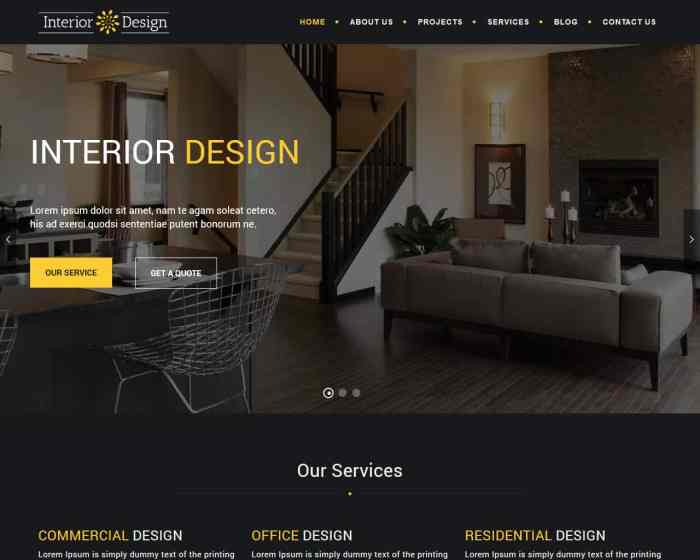
When creating an interior website, certain design elements play a crucial role in capturing the attention of visitors and conveying the essence of your brand. Let's explore some key design considerations to enhance the overall user experience.
High-Quality Images for Effective Showcasing
Utilizing high-quality images is essential for showcasing interior designs effectively on your website. Clear, crisp images can provide visitors with a realistic view of your work, helping them visualize the spaces you have created. Ensure that the images are well-lit, properly framed, and highlight the unique aspects of each design project.
Importance of White Space in Design
White space, or negative space, is crucial in creating a clean and modern design for your interior website. Adequate white space helps in balancing the elements on the page, improving readability, and guiding the visitor's focus. Embracing white space can give your website a sophisticated and uncluttered look, enhancing the overall user experience.
Consistent Branding Elements
Maintaining consistent branding elements throughout your interior website is key to establishing a strong brand identity. From logo placement to color schemes and typography, consistency in branding elements helps in reinforcing your brand message and creating a cohesive visual experience for visitors.
Make sure to align these elements with your brand guidelines to maintain a professional and recognizable image.
Incorporating Interactive Elements
Interactive elements like sliders, animations, and hover effects can add a dynamic touch to your interior website, engaging visitors and encouraging them to explore further. Sliders can showcase multiple images in a compact space, while animations can bring a sense of movement and interactivity to the design.
Be strategic in incorporating these elements to enhance user engagement without overwhelming the overall design aesthetic.
User-Friendly Navigation
Creating a user-friendly navigation system on your interior website is crucial for ensuring a positive user experience. Here are some key points to consider:
Intuitive Navigation Menus
- Organize your menu items logically to make it easy for visitors to find what they are looking for.
- Use clear and descriptive labels for each menu item to avoid confusion.
- Include dropdown menus for subcategories to streamline navigation further.
Clear Call-to-Action Buttons
- Place prominent call-to-action buttons strategically throughout your website to guide users towards desired actions, such as contacting you for services or exploring your portfolio.
- Use contrasting colors and engaging copy to make the buttons stand out and encourage clicks.
Logical Sitemap
- Create a well-structured sitemap that Artikels the hierarchy of your website's pages and content.
- Include all main categories and subcategories to provide a clear roadmap for users to navigate through your site.
- Regularly update and optimize your sitemap as you add new pages or make changes to your site's structure.
Mobile Responsiveness
- Ensure that your interior website is fully responsive and optimized for mobile devices.
- Test your site on various screen sizes to guarantee a seamless user experience across different devices.
- Implement a mobile-friendly design that adapts to smaller screens and maintains functionality and aesthetics.
Closure
In conclusion, creating an interior website that not only looks stunning but also functions seamlessly is key to attracting and retaining visitors. By implementing the right design elements, features, and navigation techniques, you can elevate your online presence in the competitive world of interior design.
Detailed FAQs
How important is responsive design for an interior website?
Responsive design is crucial for ensuring your website looks good and functions well on all devices, providing a seamless user experience.
Why is a blog section essential for an interior website?
A blog section allows you to share valuable content, design tips, and trends with your audience, establishing your expertise in the field.
What role do color schemes play in creating a cohesive design?
Color schemes help in conveying the mood and style of your brand, creating a visually appealing and consistent look throughout your website.