Elevate Your Space: Interior Wall Design Ideas
Dive into the world of interior wall design where creativity meets functionality. From choosing the right colors to exploring different textures, interior wall design plays a crucial role in transforming a space. Let's explore the key aspects and ideas that can enhance the aesthetic appeal of any room.
Overview of Interior Wall Design
Interior wall design plays a crucial role in creating a cohesive and visually appealing space. It is not just about painting walls; it involves careful consideration of color, texture, and materials to enhance the overall aesthetic of a room.
Importance of Interior Wall Design
Interior wall design sets the tone for the entire space, influencing the mood and atmosphere. By choosing the right colors and textures, you can create a sense of warmth, sophistication, or even spaciousness in a room.
Enhancing Aesthetic with Interior Wall Design
- Using bold colors can make a statement and add personality to a room.
- Textured walls can create visual interest and depth, making the space more dynamic.
- Materials like exposed brick, wood paneling, or wallpaper can add character and uniqueness to the walls.
Role of Color, Texture, and Materials
Color
Different colors evoke different emotions and can affect the perceived size of a room. Warm colors like red and orange can create a cozy atmosphere, while cool colors like blue and green can make a space feel more relaxing.
Texture
Adding texture to walls through techniques like faux painting, stucco, or wallpaper can add dimension and visual appeal.
Materials
Choosing the right materials for the walls, such as reclaimed wood, stone, or glass, can contribute to the overall design style and theme of the room.
Types of Interior Wall Finishes
When it comes to interior wall finishes, there are several options to choose from, each with its own unique characteristics and pros and cons. Let's take a closer look at some of the most commonly used types of wall finishes in interior design.
Paint
Paint is one of the most popular choices for interior wall finishes due to its versatility and affordability. It comes in a wide range of colors and finishes, allowing for endless customization options. Paint is easy to apply and can be easily changed to update the look of a room.
Wallpaper
Wallpaper is another popular choice for adding texture and pattern to walls. It can create a dramatic impact and is available in a variety of designs, from subtle to bold. However, wallpaper can be more difficult to apply and remove compared to paint.
Tiles
Tiles are a durable and easy-to-clean option for interior wall finishes, commonly used in areas like kitchens and bathrooms. They come in a variety of materials, such as ceramic, porcelain, and glass, offering different looks and textures. However, tile installation can be more labor-intensive and costly compared to other finishes.
Wood Paneling
Wood paneling adds warmth and natural beauty to interior walls, creating a cozy and inviting atmosphere. It is available in different types of wood, finishes, and styles, such as shiplap or beadboard. However, wood paneling may require more maintenance and can be prone to damage from moisture.
Wall Decor Ideas
Adding personality to a space can be achieved through creative wall decor ideas that enhance the overall aesthetic. By incorporating artwork, mirrors, shelving, and other decorative elements, you can transform a plain wall into a focal point of the room.
Using Artwork
- Choose artwork that complements the color scheme and style of the room.
- Consider creating a gallery wall by grouping various pieces of art together for a cohesive look.
- Experiment with different sizes and frames to add visual interest and dimension to the space.
Incorporating Mirrors
- Hang mirrors strategically to reflect light and create the illusion of a larger space.
- Opt for decorative mirrors with unique shapes or frames to make a statement on the wall.
- Consider placing a large mirror across from a window to maximize natural light and brighten up the room.
Utilizing Shelving
- Install floating shelves to display books, plants, or decorative items for a functional and stylish wall decor solution.
- Mix and match different shelf sizes and heights to create visual interest and showcase your personal style.
- Add small potted plants or succulents on the shelves to bring a touch of nature indoors.
Creating a Focal Point
- Select a standout piece of decor, such as a large artwork or a statement mirror, to serve as the focal point of the wall.
- Arrange other decorative elements around the focal point to create a visually appealing composition.
- Ensure that the focal point is in proportion to the wall size and complements the overall design of the room.
Accent Walls and Feature Walls
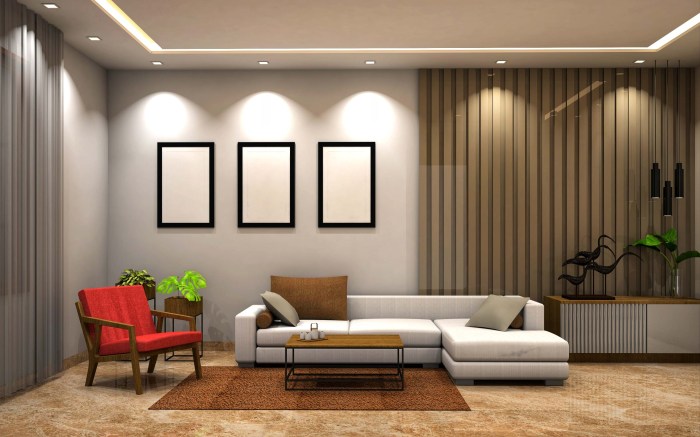
Accent walls and feature walls are design elements used in interior design to create focal points within a space. These walls are typically different from the surrounding walls in terms of color, texture, or material, drawing attention to a specific area and adding visual interest to a room.Accent walls can be used to highlight architectural features such as a fireplace, an alcove, or a built-in bookshelf.
By painting or covering one wall in a different finish, it can help define the space and make the architectural feature stand out.Different techniques can be used to design accent walls, including:
- Painting the wall in a bold color that contrasts with the rest of the room.
- Applying wallpaper with a unique pattern or texture to create a statement wall.
- Using materials like wood, stone, or tile to add texture and depth to the wall.
These techniques can be combined or used individually to create a striking accent wall that enhances the overall design of the room.
Lighting Considerations for Interior Walls
When it comes to interior wall design, lighting plays a crucial role in accentuating the overall look and feel of a space. The right lighting fixtures can significantly impact the appearance of wall surfaces, highlighting textures and creating ambiance.
Types of Lighting Fixtures
- Wall Sconces: These fixtures can add a warm and inviting glow to your walls, emphasizing textures and architectural details.
- Recessed Lighting: Recessed lights can create a subtle wash of light on walls, perfect for highlighting artwork or accent walls.
- Track Lighting: This versatile option allows you to direct light where needed, ideal for showcasing specific areas of your walls.
Tips for Using Lighting Effectively
- Consider the Color Temperature: Choose warm or cool lighting tones to complement the color scheme of your walls.
- Layer Your Lighting: Use a combination of ambient, task, and accent lighting to create depth and visual interest on your walls.
- Highlight Architectural Features: Use lighting to draw attention to unique wall textures, moldings, or design elements.
Sustainable Wall Design Practices
When it comes to interior wall design, incorporating sustainable practices and materials can have a positive impact on the environment while also creating a healthier living space. By choosing eco-friendly options, you not only reduce your carbon footprint but also contribute to a more sustainable future.
Benefits of Sustainable Wall Design
- Using recycled or reclaimed materials for wall finishes can reduce waste and conserve natural resources.
- Opting for low-VOC (volatile organic compound) paint and finishes improves indoor air quality and promotes better health.
- Installing energy-efficient wall insulation can help reduce heating and cooling costs, making your home more energy-efficient.
Innovative Sustainability in Wall Design
- Creating living walls with plants not only adds a natural element to your space but also improves air quality and reduces carbon dioxide levels.
- Using sustainable wood products like bamboo or cork for wall coverings adds warmth and texture to your interiors while being renewable and biodegradable.
- Incorporating solar panels into your walls can harness renewable energy sources and reduce reliance on traditional power grids.
Last Recap
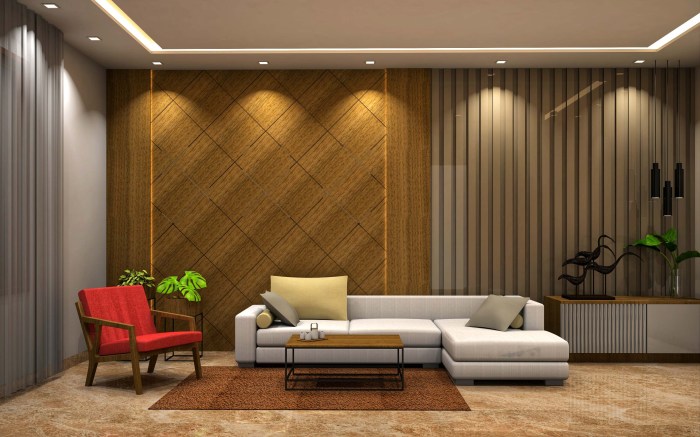
In a nutshell, interior wall design is the foundation of a well-designed space. By understanding the importance of color, texture, and materials, you can create a harmonious environment that reflects your style. So, whether you're looking to create an accent wall or simply add a touch of personality through wall decor, the possibilities are endless when it comes to interior wall design.
Answers to Common Questions
How does interior wall design impact the overall look of a room?
Interior wall design sets the foundation for the aesthetic of a room, influencing everything from the mood to the perceived size of the space.
What are some creative wall decor ideas to enhance a room?
You can add personality to a space with creative wall decor ideas such as gallery walls, incorporating artwork, mirrors, and shelving for a unique touch.
What is the difference between accent walls and feature walls?
Accent walls are used to highlight a specific area or architectural feature, while feature walls serve as a focal point in a room's design.