Exploring the Impact of Interior AI on Design and Architecture
Diving into the world of interior AI, we uncover how artificial intelligence is revolutionizing the way we approach design and architecture. From personalized spaces to smart home integration, the possibilities are endless.
Artificial intelligence has seamlessly woven itself into the fabric of interior design, enhancing user experiences and streamlining the creative process. Let's explore the fascinating realm where technology meets aesthetics.
Overview of Interior AI
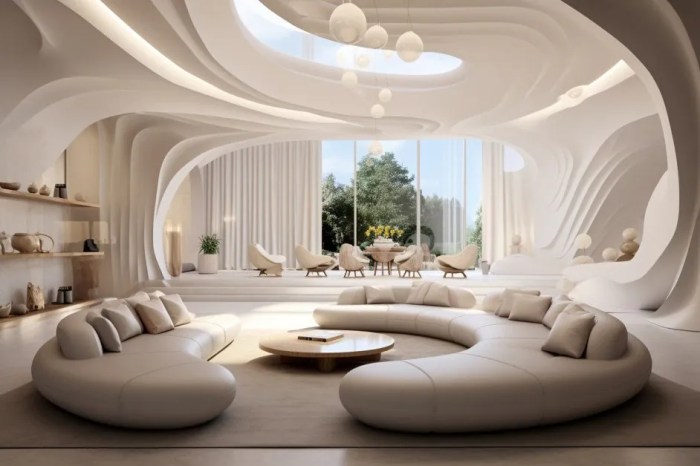
Interior AI refers to the integration of artificial intelligence technology in the field of interior design and architecture to enhance and streamline various processes.
Artificial intelligence is transforming the interior design industry by providing designers with powerful tools to analyze data, create realistic simulations, and generate personalized design solutions for clients. AI algorithms can process vast amounts of information quickly, helping designers make informed decisions and optimize space planning.
Role of AI in Enhancing User Experience and Personalization
- AI-powered design tools can analyze user preferences and behavior patterns to create customized interior spaces that cater to individual needs and tastes.
- By utilizing AI, designers can offer personalized recommendations for furniture, color schemes, and layout options based on data-driven insights.
- AI-enabled virtual reality applications allow clients to experience design concepts in a realistic 3D environment before making any changes, enhancing the user experience and reducing the risk of costly mistakes.
AI-Powered Interior Design Tools
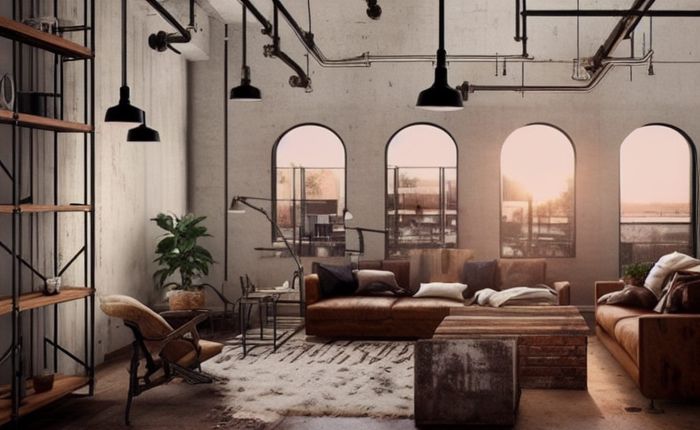
AI-powered interior design tools have revolutionized the way designers create and visualize spaces. These tools utilize artificial intelligence algorithms to streamline the design process and provide valuable insights for better decision-making.
Space Planning
AI tools like Space Designer 3D and Planner 5D use advanced algorithms to help designers optimize space planning. By analyzing room dimensions and user preferences, these tools can suggest layout options that maximize functionality and aesthetics.
Furniture Selection
Platforms such as Modsy and Havenly leverage AI to recommend furniture pieces based on style preferences, room dimensions, and budget constraints. These tools take the guesswork out of furniture selection, ensuring that every piece fits harmoniously within the overall design scheme.
Color Schemes
AI-powered color palette generators like Adobe Color CC and Colormind assist designers in choosing cohesive color schemes for their projects. By analyzing color theory principles and user input, these tools recommend color combinations that evoke the desired mood and ambiance.
Optimizing Design Process
AI algorithms optimize the design process by automating repetitive tasks, such as generating floor plans, rendering 3D models, and sourcing materials. This automation frees up designers to focus on more creative aspects of the project, leading to increased efficiency and innovation.
Customization and Personalization
AI technology has revolutionized the way interior spaces are designed by enabling customization and personalization based on user preferences. This allows for tailored design solutions that cater to the unique needs and tastes of individuals or businesses.
Impact of AI on Personalized Design Solutions
AI algorithms play a crucial role in analyzing vast amounts of data to suggest personalized interior design choices. By leveraging machine learning and data analytics, AI can understand the specific preferences, styles, and requirements of users to create customized design solutions.
This results in spaces that reflect the personality and vision of the users, whether it's a cozy home or a professional workspace.
User-Centric Design Recommendations
- AI-powered interior design tools can offer personalized recommendations for furniture, color schemes, layout arrangements, and decor elements based on user inputs and data analysis.
- These recommendations take into account factors such as user preferences, budget constraints, spatial limitations, and aesthetic preferences to create a cohesive and personalized design plan.
- Users can interact with AI platforms to experiment with different design options, receive instant feedback, and make informed decisions to achieve their desired interior design goals.
Smart Home Integration
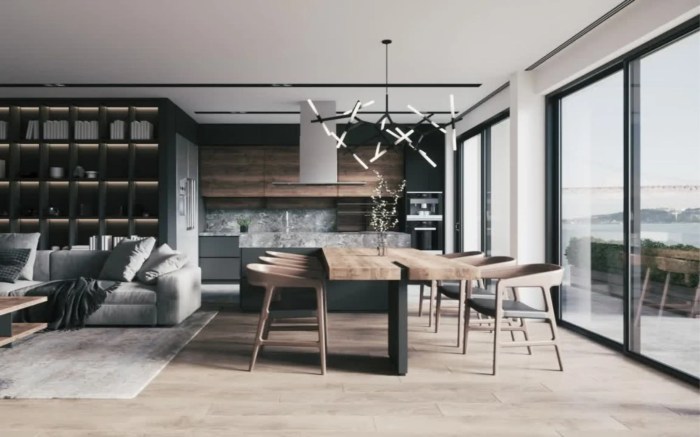
AI plays a crucial role in integrating smart home systems to manage interior environments efficiently. By leveraging AI technology, tasks such as lighting control, temperature regulation, and security can be automated to enhance the functionality and comfort of modern interiors.
Automated Lighting Control
AI-powered systems can adjust lighting levels based on factors like time of day, natural light availability, and user preferences. For example, smart lighting solutions can dim or brighten lights in response to occupancy or ambient light conditions, creating a more comfortable and energy-efficient environment.
Temperature Regulation
AI algorithms can analyze data from sensors to optimize heating and cooling systems, ensuring consistent and comfortable temperatures throughout the home. By learning user habits and preferences, AI can adjust temperature settings automatically, providing personalized comfort while reducing energy consumption.
Enhanced Security Systems
AI-driven security systems can monitor and analyze data from cameras, motion sensors, and other devices to detect anomalies and potential threats. By employing facial recognition, voice authentication, and behavior analysis, AI can enhance home security by providing real-time alerts and automated responses to ensure the safety of occupants.
Wrap-Up
In conclusion, interior AI is not just a trend but a powerful tool shaping the future of design. With its ability to customize, personalize, and optimize spaces, AI is set to redefine how we interact with our environments. The fusion of technology and design continues to push boundaries and inspire innovation in the world of interior architecture.
Questions Often Asked
How is interior AI transforming the design industry?
Interior AI is revolutionizing the design industry by offering personalized solutions, optimizing processes, and enhancing user experiences in ways never seen before.
What are some popular AI tools used in interior design?
Popular AI tools in interior design include virtual reality simulations, space planning software, and color palette generators.
How does AI assist in customization of interior spaces?
AI enables customization by analyzing user preferences and data to suggest personalized design choices, creating unique and tailored experiences.