Crafting the Perfect Home Design: A Comprehensive Guide to Home Designers
Home designers play a crucial role in shaping the spaces we live in, blending creativity with functionality to create stunning living environments. From understanding client needs to keeping up with the latest design trends, these professionals bring dreams to life.
Let's dive into the world of home designers and explore what makes them the backbone of any successful design project.
As we delve deeper into the intricacies of home design, we uncover the key aspects that make a home designer indispensable in the quest for the perfect living space.
Introduction to Home Designers
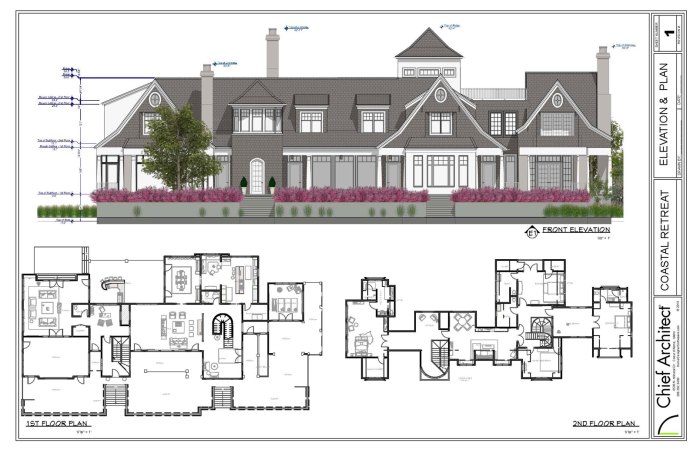
Home designers play a crucial role in creating functional, aesthetically pleasing spaces within residential properties. They are responsible for designing layouts, selecting materials, and ensuring that the overall design meets the client's needs and preferences.
Importance of Hiring a Professional Home Designer
- Professional expertise: Home designers have the knowledge and experience to create efficient and stylish designs that maximize space and functionality.
- Customization: A professional designer can tailor the design to fit the client's unique lifestyle, preferences, and budget.
- Project management: Home designers oversee the entire design process, from concept development to final implementation, ensuring a smooth and successful project.
- Value addition: A well-designed home can increase property value and appeal to potential buyers if the client decides to sell in the future.
Skills and Qualifications for a Successful Home Designer
- Education: A degree in interior design, architecture, or a related field is typically required to become a home designer.
- Creativity: Home designers need to have a keen eye for design aesthetics and the ability to think outside the box when creating unique spaces.
- Technical proficiency: Proficiency in design software, knowledge of building codes, and an understanding of construction processes are essential skills for home designers.
- Communication skills: Home designers must effectively communicate with clients, contractors, and other professionals involved in the project to ensure a successful outcome.
Home Design Trends
Home design trends are constantly evolving, influenced by various factors such as lifestyle changes, technology advancements, and global events. It is essential for home designers to stay updated with the latest trends to meet the demands of homeowners seeking modern and stylish living spaces.
Popular Design Styles
- Minimalist Design: Characterized by clean lines, simple color palettes, and uncluttered spaces, minimalist design continues to be a popular choice for homeowners looking for a sleek and contemporary look.
- Biophilic Design: With a focus on incorporating natural elements into indoor spaces, biophilic design aims to create harmonious environments that promote well-being and connection to nature.
- Industrial Chic: Inspired by urban lofts and industrial buildings, this design style features raw materials, exposed pipes, and a mix of modern and vintage furnishings for a unique and edgy aesthetic.
- Scandinavian Design: Known for its simplicity, functionality, and cozy elements, Scandinavian design emphasizes light colors, natural materials, and a sense of warmth that appeals to homeowners seeking a cozy and inviting atmosphere.
Client Collaboration
When working as a home designer, collaborating effectively with clients is crucial to ensure their needs and preferences are met throughout the design process. By establishing a strong relationship and open communication with clients, designers can achieve successful outcomes that align with the client's vision for their home.
Understanding Client Needs
Effective communication between home designers and clients is essential in understanding the client's needs and desires for their living space. Designers should actively listen to clients, ask clarifying questions, and take note of their preferences to create a design that reflects their lifestyle and aesthetic preferences.
- Hold initial consultations to discuss the client's vision and goals for the project.
- Create detailed questionnaires to gather information about the client's style, functionality requirements, and budget constraints.
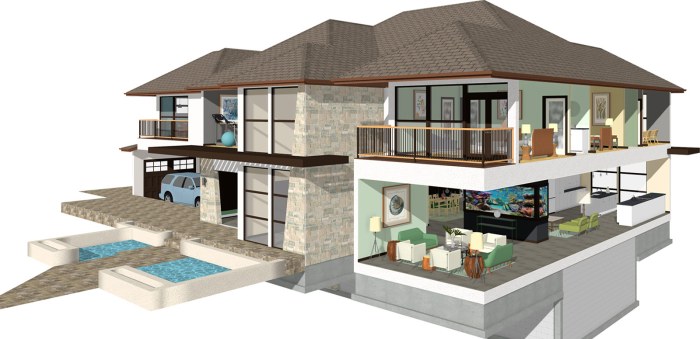
- Provide visual aids such as mood boards, sketches, and 3D models to help clients visualize the design concepts.
Effective Communication Strategies
Maintaining clear and open communication channels with clients is key to a successful collaboration. Designers should establish regular check-ins, provide progress updates, and seek feedback to ensure that the design aligns with the client's expectations.
- Use a variety of communication methods such as in-person meetings, phone calls, emails, and virtual presentations to keep clients informed.
- Set realistic timelines and milestones to manage client expectations and ensure project progress.
- Encourage clients to provide feedback and express any concerns or preferences openly to address them promptly.
Incorporating Client Preferences
Integrating client preferences into the design process is essential to creating a personalized and tailored living space that reflects the client's unique style and taste. By involving clients in decision-making and design choices, designers can create a space that truly feels like home to the client.
- Offer multiple design options and iterations for clients to choose from, incorporating their feedback and suggestions into the final design.
- Respect and prioritize the client's preferences while offering professional guidance and expertise to enhance the overall design.
- Regularly communicate with clients to ensure that the design reflects their vision and meets their expectations.
Interior vs. Exterior Design
When it comes to home design, the responsibilities of interior and exterior designers differ significantly. While interior designers focus on creating functional and aesthetically pleasing indoor spaces, exterior designers are tasked with enhancing the overall curb appeal and functionality of the outdoor areas of a home.
Key Differences in Designing Interior and Exterior Spaces
- Interior designers prioritize factors such as furniture layout, color schemes, lighting, and overall ambiance to create a cohesive indoor environment.
- Exterior designers, on the other hand, focus on landscaping, outdoor furniture selection, architectural elements, and creating an inviting outdoor living space.
- Interior designers often work with materials like fabrics, carpets, and wall coverings, while exterior designers may work with materials like stone, wood, and metal for outdoor structures and landscaping.
Creating a Cohesive Design Between Interior and Exterior Areas
Home designers strive to create a seamless flow between interior and exterior spaces to ensure a harmonious overall design. This can be achieved through:
- Using consistent color palettes and design elements throughout both indoor and outdoor areas.
- Extending indoor design themes to outdoor spaces through the use of similar textures, materials, and decorative accents.
- Creating visual connections between indoor and outdoor areas by strategically placing windows, doors, and outdoor living spaces that complement indoor rooms.
Sustainable Design Practices
In the realm of home design, sustainable design practices have gained significant traction due to their focus on environmentally friendly solutions that minimize the negative impact on the planet. These practices emphasize the efficient use of resources, reduction of waste, and overall environmental consciousness in the design process.
Eco-Friendly Materials and Practices
Utilizing eco-friendly materials is a cornerstone of sustainable home design. Home designers often opt for materials such as reclaimed wood, bamboo, cork, and recycled glass to reduce the carbon footprint of a project. Additionally, practices like passive solar design, which maximizes natural light and heat, and rainwater harvesting systems contribute to the sustainability of a home.
Benefits of Sustainable Design
Incorporating sustainable design principles into home projects offers a myriad of benefits. Not only does it help reduce energy consumption and lower utility bills, but it also promotes a healthier living environment by using non-toxic materials. Furthermore, sustainable design can increase the overall value of a home and appeal to environmentally conscious buyers in the real estate market.
Epilogue
In conclusion, home designers are the unsung heroes behind every beautifully designed home. Their ability to blend aesthetics with practicality, along with their dedication to client satisfaction, sets them apart in the world of design. As we look to the future of home design, one thing remains certain - the invaluable role of a skilled home designer in turning dreams into reality.
Questions and Answers
What qualifications do I need to become a home designer?
To become a successful home designer, you typically need a degree in interior design or a related field, along with creativity, attention to detail, and excellent communication skills.
How do home designers incorporate client preferences into their designs?
Home designers work closely with clients to understand their tastes, preferences, and lifestyle needs, ensuring that the final design reflects the client's vision while maintaining functionality and aesthetic appeal.
What are some popular sustainable design practices used by home designers?
Home designers often use eco-friendly materials like reclaimed wood, bamboo flooring, and energy-efficient appliances to promote sustainability in their designs.