Design My Living Room: Tips and Ideas to Transform Your Space
Embark on a journey to revamp your living space with design my living room as the focal point. Get ready to explore a plethora of tips and ideas that will help you create a space that is not only visually appealing but also functional and personalized.
From choosing the right color scheme to selecting furniture that fits just right, this guide will walk you through every step of the design process, ensuring that your living room reflects your style and personality.
Initial Steps
When designing your living room, it's essential to start with some initial steps to ensure you create a space that suits your style and needs perfectly. Begin by identifying your style preferences for the living room. Whether you prefer a modern, traditional, minimalist, or eclectic style, knowing your design preferences will help guide your decisions throughout the process.
Consider the functionality you need in the space. Think about how you use the living room – is it primarily for entertaining guests, relaxing with family, or a multipurpose space? Understanding the primary function of the room will help you determine the layout, furniture, and decor elements that will best suit your needs.Measure the dimensions of the room accurately.
Before making any design decisions, it's crucial to have precise measurements of the living room. This will help you determine the size of furniture pieces, the layout of the room, and ensure that everything fits and flows well within the space.
Take note of any architectural features, such as windows, doors, or built-in elements, that may impact your design choices.
Color Scheme
When designing your living room, choosing the right color scheme is crucial in creating the desired ambiance and atmosphere. The color palette you select should complement your style and preferences while taking into account the natural light in the room.
Impact of Different Colors
Different colors can evoke various emotions and set the tone for the room. For example, warm colors like red, orange, and yellow can create a cozy and inviting feel, while cool colors like blue, green, and purple can promote a sense of calm and relaxation.
Neutral colors like beige, gray, and white can provide a versatile backdrop for any decor style.Consider how you want the room to feel and choose colors that align with that vision. Experiment with different combinations to find the perfect balance that reflects your personality and enhances the overall aesthetic of the space.Remember to take into consideration the amount of natural light in the room when selecting colors.
Dark colors can absorb light and make a room feel smaller, while lighter shades can open up the space and make it feel more airy and spacious. Be mindful of the direction of the light source and how it interacts with the colors on the walls, furniture, and decor elements.Ultimately, the color scheme you choose should create a harmonious and cohesive look that ties the room together and reflects your unique style and taste.
Furniture Selection
When selecting furniture for your living room, it's crucial to consider the dimensions of the room. Measure the space carefully to ensure that the furniture pieces you choose fit well without overcrowding or leaving too much empty space.Balancing comfort and style is key when choosing furniture.
Opt for pieces that not only look good but also provide a cozy and inviting atmosphere. Consider the materials, cushioning, and overall design to ensure that the furniture complements the overall aesthetic of the room.
Flow of Movement
When placing furniture in your living room, think about the flow of movement. Arrange the pieces in a way that allows for easy navigation around the room. Avoid blocking pathways or creating obstacles that impede movement. Consider creating conversation areas or focal points while maintaining an open and spacious feel in the room.
Lighting
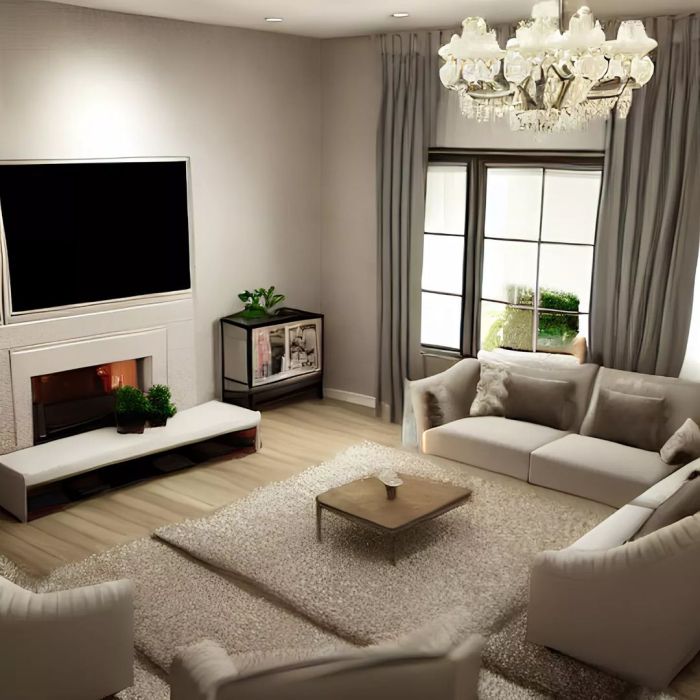
When designing a living room, lighting plays a crucial role in setting the mood and enhancing the overall ambiance. Understanding the different types of lighting and how to layer them effectively can make a significant difference in the look and feel of the space.
Types of Lighting
- Ambient Lighting: Provides overall illumination for the room, usually through ceiling-mounted fixtures or wall sconces.
- Task Lighting: Direct and focused lighting for specific activities like reading or working, often achieved with table lamps or floor lamps.
- Accent Lighting: Used to highlight certain features or objects in the room, such as artwork or architectural details, usually with track lighting or spotlights.
Layering Lighting for Ambiance
Layering lighting involves combining different types of lighting to create depth and dimension in the room. This technique helps avoid a flat and uninteresting look by adding visual interest and warmth.
- Start with Ambient Lighting: Establish a base level of light with ambient fixtures to evenly illuminate the space.
- Add Task Lighting: Incorporate task lighting where needed for specific activities, ensuring adequate brightness without overpowering the room.
- Include Accent Lighting: Highlight focal points or decorative elements with accent lighting to create depth and draw attention to key features.
Natural and Artificial Light Sources
Natural light from windows and doors can bring a sense of openness and freshness to the living room during the day. To maximize natural light, consider window treatments that allow for light control while maintaining privacy.Artificial light sources like LED bulbs, halogen lights, and dimmable fixtures offer flexibility in adjusting the lighting levels according to the time of day or desired ambiance.
Combining natural and artificial light sources can create a dynamic and inviting atmosphere in the living room.
Accessories and Decor
When it comes to decorating your living room, accessories and decor play a crucial role in bringing the space together and adding personality. From rugs and curtains to art pieces and meaningful accessories, each element contributes to the overall ambiance and style of the room.
Choosing Decor Pieces
- Consider the color scheme and style of your living room when choosing decor pieces.
- Opt for pieces that complement the furniture and overall design aesthetic.
- Mix and match different textures and materials for added visual interest.
- Don't overcrowd the space - select a few statement pieces rather than cluttering with too many decorations.
Role of Rugs, Curtains, and Art
- Rugs can define separate areas within the room and add warmth and coziness.
- Curtains can soften the windows, add color, and create a sense of height in the room.
- Art pieces can serve as focal points, tie together color schemes, and reflect your personal style.
- Choose art that speaks to you personally and evokes a positive emotional response.
Personalizing the Room
- Incorporate meaningful accessories such as family photos, travel souvenirs, or heirlooms.
- Showcase your interests and hobbies through decor items that reflect your personality.
- Add elements that tell a story and make the space feel uniquely yours.
- Don't be afraid to mix in vintage or DIY pieces to add character and individuality.
Layout Planning
Creating a functional layout for your living room is essential in maximizing both space and comfort. The layout should consider the placement of furniture, traffic flow, and focal points to ensure a cohesive and inviting space.
Importance of Focal Points
Focal points in a living room serve as the center of attention and help tie the room together. Whether it's a fireplace, a piece of art, or a statement furniture piece, the focal point should be highlighted and complemented by the layout of the room.
Traffic Flow and Seating Arrangements
When planning the layout, consider the traffic flow in the room to ensure easy movement and accessibility. Arrange furniture in a way that allows for smooth transitions between areas. Additionally, think about the seating arrangements to encourage conversation and create a cozy atmosphere.
Avoid blocking pathways and ensure there is enough space for comfortable movement around the room.
Budgeting and Timeline
When it comes to designing your living room, budgeting and timeline are crucial aspects to consider. Proper planning in terms of expenses and project timeline can help you stay on track and achieve your desired outcome efficiently.
Budgeting Strategies
- Start by setting a realistic budget based on your financial capabilities and the scope of the project.
- Allocate funds for essential items like furniture and lighting first before considering decorative pieces.
- Research and compare prices to find the best deals without compromising on quality.
- Consider DIY options for certain elements to save on costs, such as painting or creating your own decor.
- Leave some room for unexpected expenses by setting aside a contingency fund within your budget.
Expense Prioritization
- Identify your priorities based on your needs and lifestyle. For example, if you entertain frequently, investing in a comfortable seating area may take precedence over other items.
- Focus on key pieces that will have a significant impact on the overall look and functionality of the room, such as a statement sofa or a quality rug.
- Avoid overspending on trendy items that may quickly go out of style. Opt for timeless pieces that can withstand changing design trends.
- Consider the long-term value of each purchase and how it contributes to the overall aesthetic and comfort of your living space.
Project Timeline
- Create a detailed timeline that Artikels each phase of the design project, from planning and purchasing to installation and finishing touches.
- Set realistic deadlines for each task to ensure that the project progresses smoothly and stays on schedule.
- Factor in any lead times for custom orders or deliveries to avoid delays in the process.
- Regularly review and adjust your timeline as needed to accommodate any unexpected setbacks or changes in plans.
Last Recap
As you wrap up your design my living room project, remember that every little detail contributes to the overall ambiance of the space. By following these tips and incorporating your unique touch, you're on your way to creating a living room that is truly a reflection of you.
Answers to Common Questions
How do I choose the right color palette for my living room?
Consider your style preferences and the ambiance you want to create. Test out different colors and see how they look in natural light to find the perfect palette.
What should I prioritize when budgeting for my living room design project?
Focus on essential pieces like furniture and lighting first, then allocate the remaining budget to decor items that enhance the overall look of the room.
How can I personalize my living room with accessories?
Choose decor pieces that hold sentimental value or showcase your interests. Mix and match textures and colors to add a personal touch to the space.