Crafting Stunning 3D Room Designs: A Comprehensive Guide to Enhancing Visualization
Embark on a journey into the world of 3D room design, where creativity meets innovation to transform spaces into captivating visual representations. From understanding the importance of these tools to mastering the art of creating realistic designs, this guide covers it all.
Delve deeper into the realm of 3D room design and discover the key elements that make a well-designed space truly stand out.
Importance of 3D Room Design

3D room design plays a crucial role in various industries, offering numerous benefits that enhance visualization for clients and stakeholders.
Benefits of Using 3D Room Design Tools
- Allows for a more realistic representation of the final design, helping clients visualize the end result more accurately.
- Enables easy modifications and adjustments to the design before actual implementation, reducing the chances of costly errors.
- Enhances communication between designers, clients, and contractors by providing a clear visual reference for all parties involved.
Enhanced Visualization for Clients
3D room design enables clients to see the proposed design from different angles, giving them a comprehensive view of the space and helping them make informed decisions.
Examples of Industries Where 3D Room Design is Crucial
- Interior Design: 3D room design tools are essential for interior designers to showcase their ideas and concepts to clients effectively.
- Real Estate: In the real estate industry, 3D room design helps potential buyers visualize the layout and potential of a property before making a purchase.
- Architecture: Architects use 3D room design to bring their designs to life and present them in a way that is easily understandable to clients and stakeholders.
Elements of a Well-Designed 3D Room
When creating a 3D room design, it is essential to pay attention to various key components that can greatly impact the overall look and feel of the space. Balancing aesthetics with functionality is crucial for a successful 3D room design.
Factors such as lighting, textures, and colors play a significant role in creating a visually appealing and functional environment.
Key Components to Consider
- Layout: The layout of the room should be carefully planned to ensure efficient use of space and easy navigation.
- Furniture: Selecting the right furniture pieces that complement the style of the room and provide comfort is essential.
- Accessories: Adding accessories such as rugs, artwork, and plants can enhance the overall aesthetics of the room.
- Storage: Incorporating adequate storage solutions helps in keeping the space organized and clutter-free.
Tips for Balancing Aesthetics and Functionality
- Choose multi-functional furniture pieces that serve both practical and aesthetic purposes.
- Consider the flow of the room to ensure easy movement and accessibility to different areas.
- Experiment with different textures and materials to add visual interest and depth to the design.
Importance of Lighting, Textures, and Colors
- Lighting: Proper lighting can set the mood of the room and highlight key features. Natural light is ideal but artificial lighting should also be strategically placed.
- Textures: Incorporating a variety of textures adds dimension and warmth to the space. Mix and match different textures for a visually appealing design.
- Colors: The choice of colors can greatly impact the overall feel of the room. Select a color palette that resonates with the desired ambiance and style of the space.
Tools and Software for 3D Room Design
When it comes to 3D room design, having the right tools and software can make a significant difference in the outcome of your project. Different software offers various features that cater to different needs and preferences, so choosing the right one is crucial to creating realistic and visually appealing designs.
Comparison of Popular Software
- AutoCAD: AutoCAD is a well-known software used for 2D and 3D design. It offers a wide range of tools for creating detailed floor plans and interior designs.
- SketchUp: SketchUp is known for its user-friendly interface, making it easy for beginners to create 3D models of rooms and furniture. It also has a vast library of 3D models to choose from.
- Blender: Blender is a powerful open-source software that is popular among professional designers. It offers advanced features for creating photorealistic renders and animations.
Features and Benefits
- AutoCAD: AutoCAD provides precise measurement tools and the ability to create detailed 3D models. It is ideal for architectural designs and complex projects.
- SketchUp: SketchUp offers intuitive drawing tools and the ability to quickly generate 3D models. It is perfect for interior designers and hobbyists looking to visualize their ideas.
- Blender: Blender's advanced rendering capabilities and support for simulations make it a top choice for creating lifelike room designs. It is suitable for professionals working on high-end projects.
Tips for Selecting the Right Software
- Consider your project requirements: Determine whether you need precise measurements, detailed renderings, or animation capabilities.
- Check compatibility: Ensure that the software is compatible with your operating system and hardware.
- Explore tutorials and resources: Look for software that offers ample learning resources and a supportive community to help you master the tools.
Creating Realistic 3D Room Designs
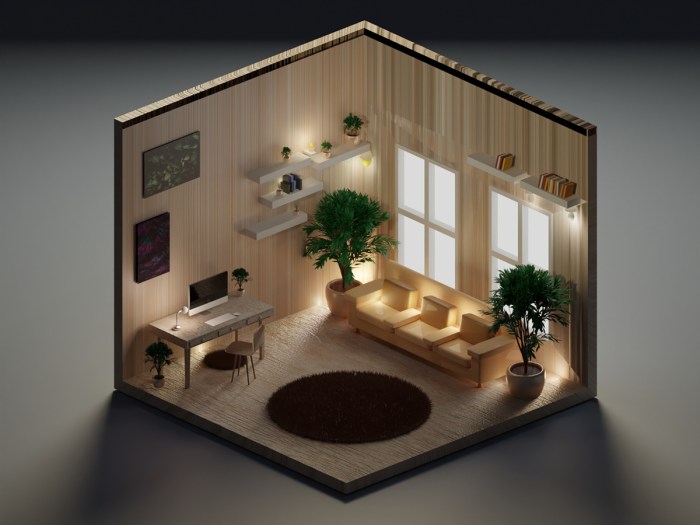
When it comes to 3D room design, achieving realism is essential to make the space look believable and appealing. This involves focusing on textures, furniture placement, and adding depth to the design.One of the key techniques for achieving realistic textures in 3D room designs is to use high-quality texture maps.
These maps can mimic real-world materials like wood, fabric, or metal, adding depth and detail to surfaces in the room. Additionally, using bump maps can create the illusion of texture without adding extra geometry, enhancing the realism of the design.To incorporate furniture and decor realistically in a 3D room, pay attention to scale, lighting, and shadows.
Make sure the proportions of the furniture are accurate and that the lighting in the room matches the placement of windows and light sources. Adding shadows under furniture and decor items can help ground them in the space and make them look more realistic.Adding depth and dimension to 3D room designs is crucial for creating a sense of space and volume.
This can be achieved through techniques like using perspective to show depth, adding reflections to surfaces to create a sense of space, and using lighting to highlight different areas of the room. By playing with these elements, you can give your 3D room design a more realistic and immersive look.
Techniques for Achieving Realistic Textures
- Use high-quality texture maps to mimic real-world materials.
- Utilize bump maps to create the illusion of texture without adding extra geometry.
Incorporating Furniture and Decor Realistically
- Pay attention to scale, lighting, and shadows for accurate placement.
- Add shadows under furniture and decor items to ground them in the space.
Adding Depth and Dimension to 3D Room Designs
- Use perspective to show depth and create a sense of space.
- Add reflections to surfaces to enhance the feeling of volume.
- Utilize lighting to highlight different areas and create depth.
Conclusion
As we conclude this exploration of 3D room design, remember that the possibilities are endless when it comes to unleashing your creativity in transforming virtual spaces. Let your imagination run wild and bring your visions to life with the power of 3D room design tools.
User Queries
What are the benefits of using 3D room design tools?
3D room design tools allow for better visualization, easier communication with clients, and more efficient planning.
How can one balance aesthetics and functionality in a 3D room design?
Balancing aesthetics and functionality involves careful selection of furniture, colors, and textures to create a harmonious space.
Which software is best for realistic 3D room designs?
Popular software like SketchUp, AutoCAD, and Blender are known for their capabilities in creating realistic 3D room designs.
What are some techniques for achieving realistic textures in 3D room designs?
Utilizing high-quality textures, bump maps, and proper lighting can help achieve realistic textures in 3D room designs.
How important is lighting in 3D room design?
Lighting plays a crucial role in setting the mood and highlighting key elements in a 3D room design, enhancing its overall appeal.